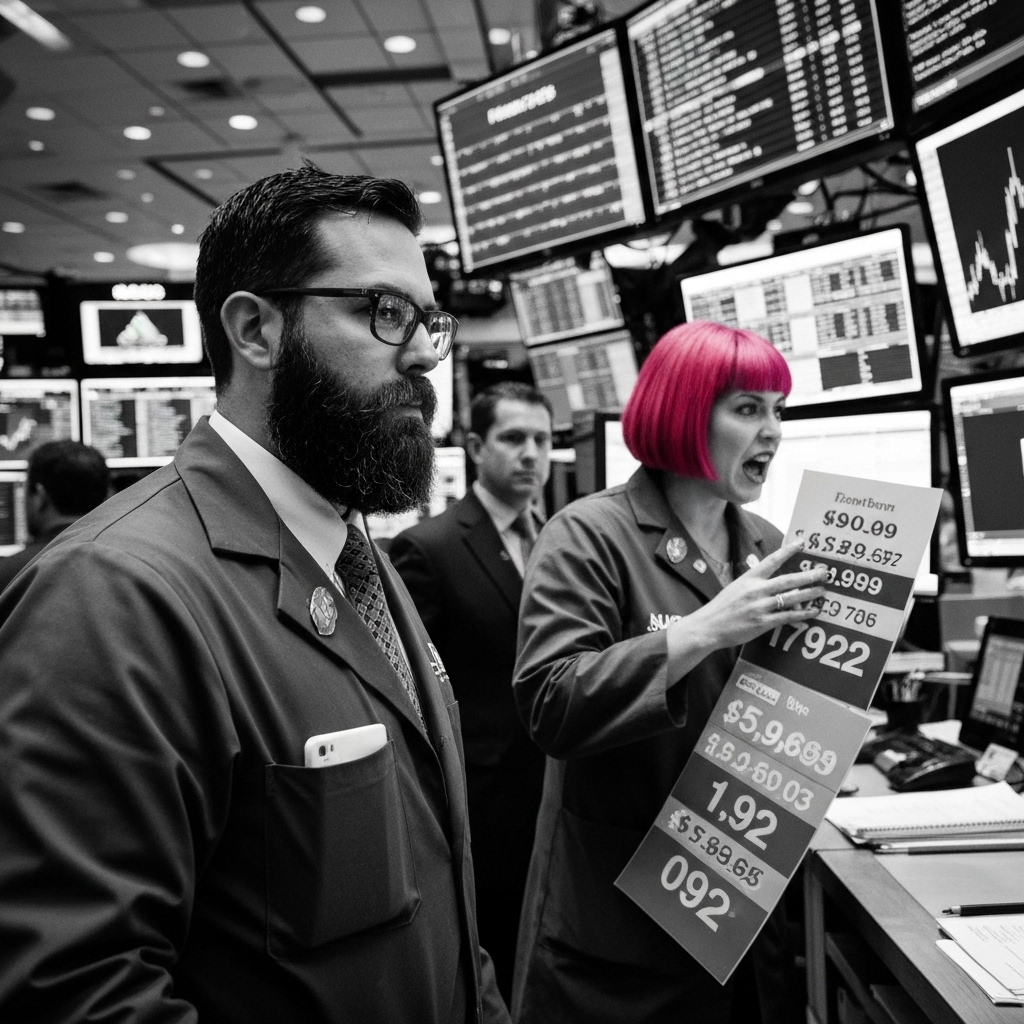
Climate Change as a Predictable Uncertainty
Unlike earthquakes or UFOs, climate change is not an unpredictable outlier. It is a scientifically grounded trend, monitored by satellites, ice cores, and atmospheric CO₂ readings. In fact, the Intergovernmental Panel on Climate Change (IPCC) produces detailed probability ranges for future warming scenarios. Betting seems plausible: the data exist, the milestones are measurable, and the stakes are monumental.
Yet despite this clarity, gambling markets avoid climate predictions. The reasons lie in time horizons, insider knowledge, political manipulation, and deep ethical unease.
The Science of Prediction: CO₂ and Warming Models
Climate models simulate atmospheric chemistry, ocean circulation, and feedback loops. Current science states:
Pre-industrial CO₂: ~280 ppm
Current CO₂: ~420 ppm (as of 2025)
Projected warming under high-emission scenarios: +4°C by 2100
The probabilities are measurable. Betting could, in theory, operate on milestones: “Global mean surface temperature exceeds 1.5°C by 2030.” But such markets collapse under the weight of timelines and manipulation.
The Problem of Time Horizons
Bookmakers thrive on short-term resolution. Sports finish in hours, elections in weeks. Climate change unfolds across decades. A 30-year bet is unprofitable for bookmakers and meaningless to gamblers. Liquidity evaporates in wagers that extend beyond lifespans.
Defining Bettable Climate Events
Another issue: defining outcomes precisely.
Global average temperature: Which dataset counts (NASA, HadCRUT, Berkeley Earth)?
Sea-level rise: Where measured — Miami, Jakarta, global mean?
Extreme weather: At what thresholds does a hurricane or wildfire count?
Ambiguities in data sources create endless disputes.
Insider Advantage: Scientists and Policymakers
Like stock trading with insider knowledge, climate betting would be skewed. Climate scientists monitoring unpublished data, or governments aware of pending emission regulations, could front-run markets. For example, if China announced new coal restrictions, insiders could profit on bets tied to emission trends. Gambling would devolve into political speculation.
The Role of Carbon Markets
Instead of gambling, society channels uncertainty into carbon markets. The EU Emissions Trading System allows companies to buy and sell allowances for CO₂ emissions. These are financial instruments, not bets. But they mirror the logic of gambling: speculating on future scarcity.
The key difference: carbon markets are structured for compliance, not entertainment. Regulators tolerate financial speculation as long as it reduces emissions, but not frivolous gambling on planetary milestones.
Ethics: The Morality of Profiting from Disaster
The ethical barrier looms largest. Imagine headlines: “Online Casino Profits as Arctic Ice Vanishes.” Public outrage would be enormous. Insurance and finance can frame catastrophe trading as risk management. Gambling cannot. It looks like cheering for collapse.
This mirrors objections to death pools (betting on celebrity deaths) or terrorism futures markets (briefly proposed by the Pentagon in 2003, immediately canceled due to outrage). Society rejects gambling on suffering.
Historical Attempts and Near Misses
Pentagon’s Policy Analysis Market (2003): Proposed futures on Middle East political instability, canceled as “terrorism betting.”
Climate lotteries: Some NGOs floated the idea to raise awareness. None survived beyond novelty stage.
Insurance-linked securities: Catastrophe bonds include climate risk, but framed as hedging, not betting.
These show that whenever climate gambling approaches reality, it is rebranded as finance or scrapped.
Probability Theory: Risk vs. Uncertainty
Climate betting illustrates philosopher Frank Knight’s distinction:
Risk: Quantifiable probabilities, as in rolling dice.
Uncertainty: Unknowns that resist quantification.
Climate straddles the line: models provide probabilities, but tipping points (methane release, ice sheet collapse) remain deeply uncertain. This uncertainty makes fair odds impossible.
Comparative Table: Climate vs. Other Betting Targets
| Feature | Sports | Elections | Earthquakes | UFOs | Climate Change |
| Outcome clarity | High | High | Medium | Low | Medium |
| Predictability | Moderate | Moderate | Low | Near zero | Moderate |
| Insider advantage | Medium | High | High | Extreme | Very High |
| Entertainment | High | Medium | Low | High | Low |
| Regulatory approval | Legal | Legal | Prohibited | Prohibited | Prohibited |
Climate change sits in an odd middle zone: measurable, but ethically radioactive.
Financial Parallels: Catastrophe Finance
Investors already speculate on hurricanes, droughts, and floods through catastrophe bonds. These resemble gambling but are framed as hedging tools. For example, after Hurricane Katrina (2005), insurance-linked securities gained popularity. Climate gambling could, in theory, be folded into such systems. But regulators refuse to mix climate milestones with casinos.
Philosophy: Betting Against the Planet
To gamble on climate milestones is, in essence, to gamble against humanity. Unlike sports (which benefit from spectatorship), climate collapse worsens as more people cheer for its occurrence. A market rewarding warming could perversely incentivize emissions.
The Carbon Casino That Never Opens
Climate change seems almost designed for betting — quantifiable, dramatic, consequential. Yet every factor conspires against it: timelines too long, data too ambiguous, insiders too powerful, and ethics too ugly. Society accepts carbon markets and catastrophe bonds as financial risk tools, but refuses to trivialize global survival as a game of odds.
Climate betting remains a thought experiment in the ethics of speculation. Some outcomes are too large to fit inside the walls of a casino.
❓ FAQ
Could we ever see regulated climate betting?
Unlikely. Long horizons and ethical concerns block mainstream approval.
Are carbon markets a form of gambling?
They share speculative DNA but serve regulatory compliance rather than entertainment.
Would crypto prediction markets allow climate bets?
Yes, but disputes over data and definitions would erode trust.
Why can insurance cover disasters but gambling cannot?
Insurance redistributes risk to victims; gambling exploits risk for outsiders.
What’s the difference between betting on sports and betting on climate?
Sports end in clear, entertaining outcomes. Climate change unfolds slowly, painfully, and with no winner.
About the author
My name is Hans & I'm a blue belt in Jiu Jitsu, train weight lifting since a few years whenever I get too fat and recently started to work as a Business Consultant in the supplements industry where I fell in love with natural testosterone boosters, fat burners etc. Turkester.ONE is my little baby and hopefully will become its very own brand soon enough! Until then, I keep reviewing third party products.


