✝️🎲 Why Can’t I Bet on the Next Pope? The Secret World of Vatican Politics & Gambling Bans 👀⛪
My name is Hans & I'm a blue belt in Jiu Jitsu, train weight lifting since a few years whenever I get too fat and recently started to work as a Business Consultant in the supplements industry where I fell in love with natural testosterone boosters, fat burners etc. Turkester.ONE is my little baby and hopefully will become its very own brand soon enough! Until then, I keep reviewing third party products.
The World’s Most Mysterious Election
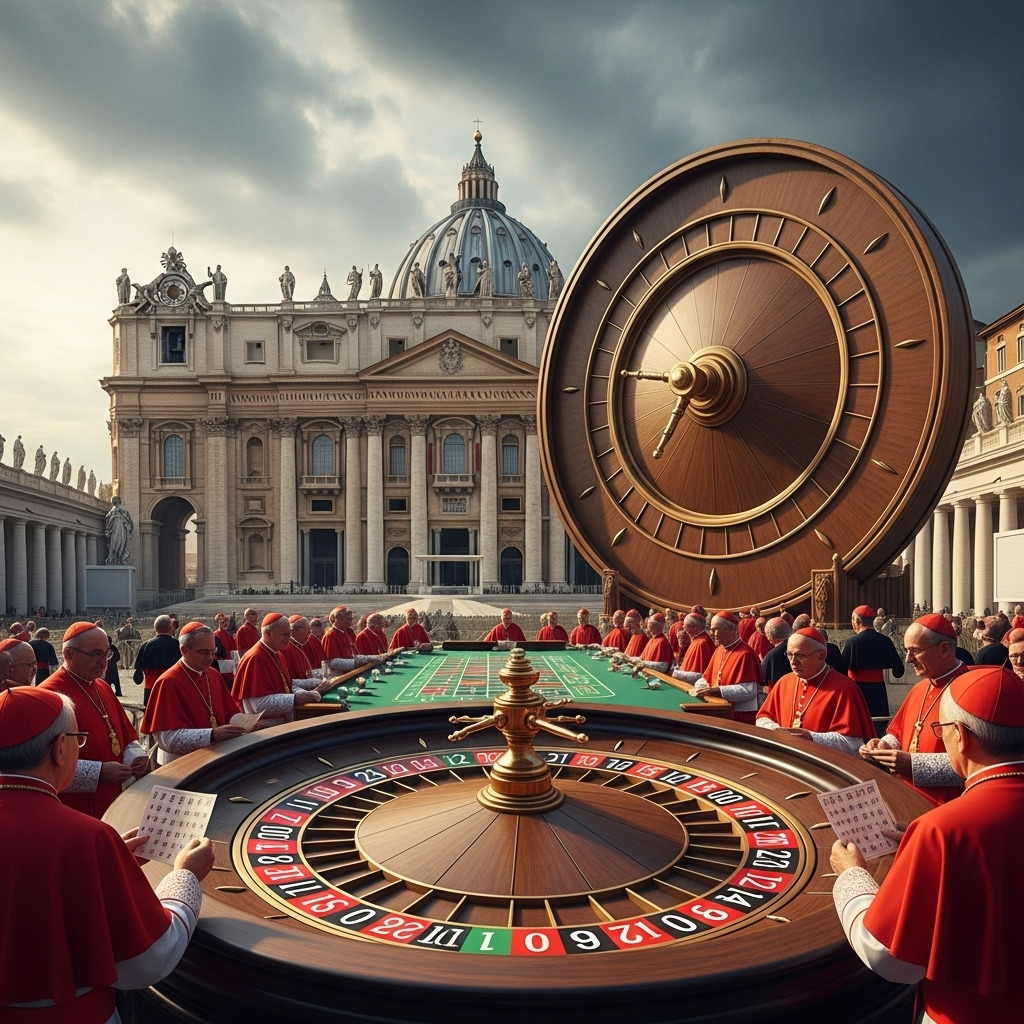
The papal conclave is the original locked-room drama. Cardinals vanish into the Sistine Chapel, ballots are burned, smoke signals drift into the sky, and the world waits. This is an election without exit polls, campaign ads, or televised debates.
If you could bet on anything, surely this would be it. After all, bookmakers already let punters bet on political elections, TV talent shows, and even whether aliens will be discovered. So why not the next Pope?
The answer is a cocktail of theology, politics, and cold gambling math. And it starts with the Vatican’s obsession with secrecy.
A Brief History of Papal Betting
Believe it or not, papal betting markets have existed — especially in Britain. During Pope John Paul II’s final illness in 2005, British bookmakers actually opened odds on who would succeed him. Paddy Power, William Hill, and others offered markets: Cardinal Ratzinger at 3/1, Cardinal Martini at 5/1, and so on.
The Vatican was furious. Headlines screamed about “gambling on God.” Within weeks, regulators leaned on bookies, and the odds disappeared.
It wasn’t the first time. Similar markets briefly appeared during the conclave of 1978. Every time, they vanish in a puff of smoke — quite literally, as soon as the white smoke rises from St. Peter’s.
Why Do Bookies Love Weird Bets?
Bookmakers thrive on novelty markets because they generate press. “You can bet on the color of the Queen’s hat!” “You can bet on whether it snows at Christmas!” Every headline = free advertising.
So why not take bets on the Pope? It’s a headline jackpot. The problem is risk — and not just financial.
Problem 1: Insider Knowledge
The conclave is secret, but it’s not that secret. Cardinals talk. Vatican aides whisper. Journalists camp outside and speculate based on “inside sources.”
In betting, insider knowledge ruins fairness. It’s the same reason bookmakers won’t take bets on your company’s stock price or your cousin’s wedding weather. If some punters have unfair access to leaks, the book collapses.
In papal elections, insiders could place massive bets knowing which cardinal has momentum. That’s not gambling — that’s exploitation.
Problem 2: The Vatican Hates Gambling
The Catholic Church has always had a tricky relationship with gambling. On the one hand, bingo halls and charity raffles fill parish coffers. On the other, the Catechism warns against games of chance when they deprive people of necessities.
Betting on the Pope, however, crosses a spiritual red line. It’s not just gambling — it’s gambling on sacred destiny. To the Vatican, that looks like turning the Holy Spirit’s work into a horse race.
When British bookies offered papal odds in 2005, Vatican officials called it “offensive, sacrilegious, and inappropriate.” That kind of PR nightmare scares off even hardened bookmakers.
Problem 3: Market Size
Bookmakers love markets that attract lots of bets. Sports, elections, reality shows — millions of punters join in. A papal conclave? Sure, it gets global TV coverage, but most people see it as holy mystery, not Saturday night flutter. The actual market would be tiny, lopsided, and short-lived.
By the time you’ve explained to casual punters who Cardinal Tagle or Cardinal Sarah even are, the smoke would already be rising.
Problem 4: Legal Gray Areas
Most countries regulate betting tightly. Political elections are allowed in the UK, banned in the US. Religion sits in a murkier zone. Betting on the Pope isn’t explicitly illegal, but regulators view it as “likely to bring gambling into disrepute.” That’s enough for bans.
In effect: it’s not worth the regulatory headache.
The Theology of Randomness
There’s another deeper reason. The papal conclave is supposed to be guided by the Holy Spirit. To bet on it is to imply it’s just politics, just random, just human. In Catholic theology, that’s borderline heresy.
Imagine if someone made a killing betting against the “Holy Spirit’s choice.” The optics are apocalyptic.
Thought Experiment: What If Papal Betting Existed?
Let’s pretend Vatican gambling markets were legalized tomorrow.
Bookmaker odds boards: Cardinal X at 5/1, Cardinal Y at 10/1.
TV coverage: Live split-screen of the Sistine Chapel and betting shop updates.
Scandal: Rumors spread that one cardinal’s odds collapsed after a whisper campaign.
Would people bet? Absolutely. Would it be fun? Sure. Would it survive without turning into corruption and mockery? Not a chance.
The Vatican’s refusal is, in a twisted way, the best way to preserve mystique.
Weird Comparison: Bets You Can Make
Ironically, you can bet on things just as absurd:
Which royal baby name will be chosen.
Which actor will play the next James Bond.
Whether Trump will go to prison.
The difference is verification and fairness. These are public, secular, cultural spectacles. The papacy isn’t.
The Cultural Taboo of Religious Gambling
Religion and gambling don’t mix well in public opinion. Betting on elections? Fine. Betting on sports? Standard. Betting on the Pope? That feels like mocking faith.
Even in highly secular societies, bookmakers understand this boundary. They may happily run irreverent novelty bets, but papal odds risk alienating millions of customers worldwide.
For an industry that thrives on entertainment, alienating faith is just bad business.
Why Papal Elections Feel Different
There’s also a sense of mystery inflation. The more secretive the process, the more powerful it feels. By turning it into a gambling market, you puncture the balloon. You reduce one of the last true mysteries of modern life into a spreadsheet.
Bookmakers know that mystery sells newspapers, not betting slips.
Conclusion: You’ll Never Gamble on the Pope
You’ll never legally place a bet on the next Pope. Not because it’s impossible, but because it collides with religion, secrecy, insider trading, and cultural taboo.
The papacy will remain one of the last “off-limits” subjects in gambling. And maybe that’s for the best. Some stories are better left sacred.
❓ FAQ
Q1: Have bookmakers ever offered papal betting odds?
Yes — in 2005 during the election of Benedict XVI. The markets were shut down after public backlash.
Q2: Is it illegal to bet on the Pope?
Not explicitly illegal, but regulators and bookmakers avoid it due to reputational risk and insider knowledge issues.
Q3: Could crypto or decentralized betting markets offer papal odds?
In theory yes, but they’d face the same insider risk and would likely be condemned by both governments and religious authorities.
Q4: Why does the Vatican oppose it?
Because it reduces the spiritual process of choosing the Pope to a game of chance, which they see as sacrilegious.
Q5: Do people still predict the next Pope informally?
Absolutely — journalists, scholars, and Catholic insiders speculate. But it remains unofficial, unmonetized, and wrapped in secrecy.


